





is the 2k injection molding process suitable for my needs?
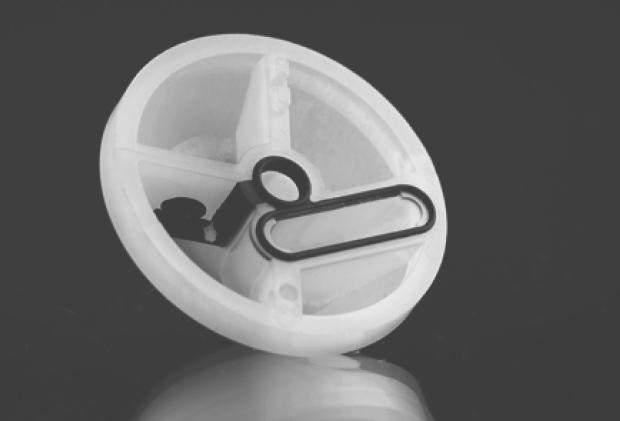
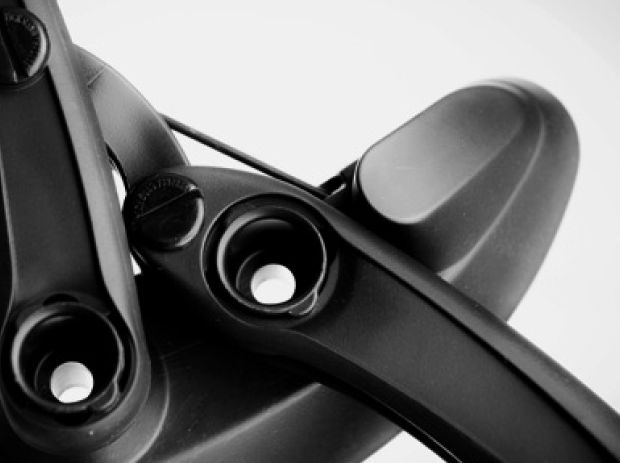
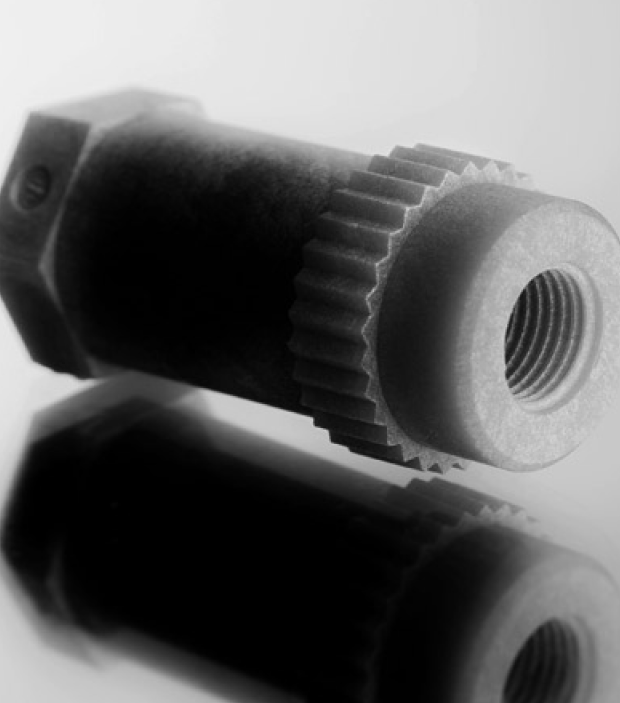
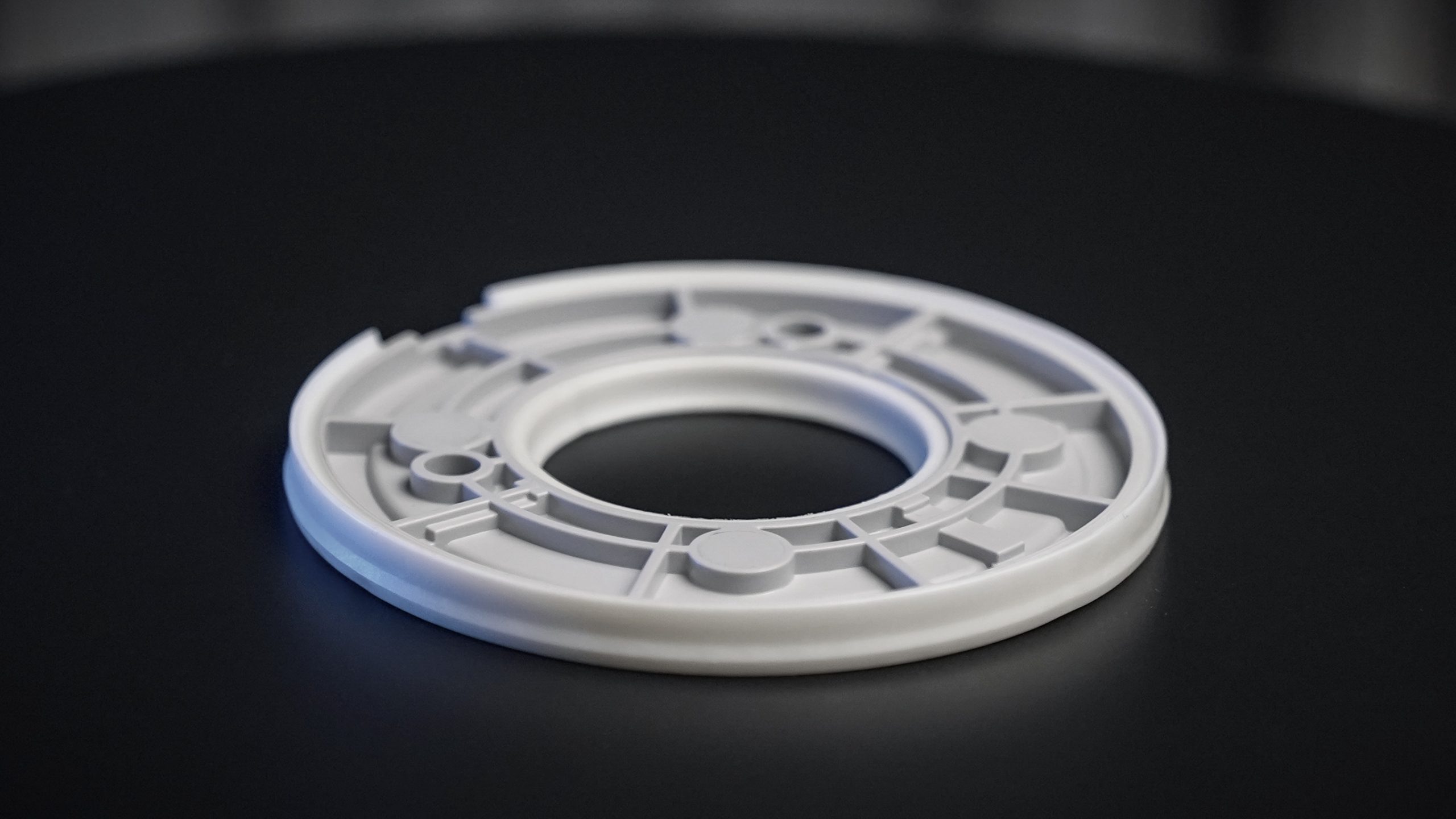
Injection molding is ideal if you want to produce complex shapes for your components and expect versatile applications using different plastics with their respective properties. In addition to the shape, wall thickness, design, density, and many other parameters can be easily controlled and adjusted using two-component injection molding.
Why is injection molding so cost-effective?
Plastic injection molding requires fewer molds than traditional methods, which means lower investment costs for your company. Production is significantly more efficient with fewer steps, and the ability to automate ensures consistent quality for you and your customers. In addition, you reduce the total cost of ownership (TCO) through integrated processes.
In which industries is 2k spray painting primarily used?
Typical applications include handles, control buttons, and soft-touch components in the automotive industry, as well as safe and sterile plastic parts in medical technology. Ergonomic control elements for various household appliances can be manufactured using plastic injection molding, while switches, housings, and insulation components in the electrical engineering sector can be produced in this way.
Is plastic granulate or powder used in injection molding?
In plastic injection molding, plastic pellets are typically used, which are melted in the injection unit. The molten pellets are then injected into the mold cavity, where the material displaces the air and precisely fills even the smallest details of the mold. Powdered materials are not commonly used in two-component injection molding.
Is plastic injection molding an environmentally friendly process?
When it comes to sustainability, plastic injection molding offers significant material savings in some cases, as well as reduced part weight, which leads to lower transportation costs. Faster production helps you save energy, while the highly precise manufacturing of molded parts allows you to significantly reduce waste.
Would it make sense to include installation work?
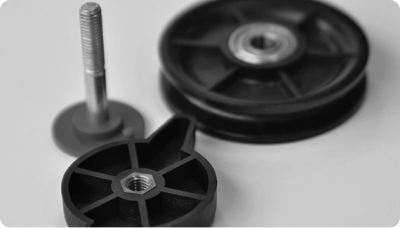
Whether subsequent assembly should be part of the production process depends on the finished component or product. Ideally, the entire part can be manufactured in one or more components using a single mold via plastic injection molding. When joining plastic and metal, an additional process is usually required, such as assembly injection molding.

Marco Costantino
Phone: +49 (0)7422 942-134
Email: m.costantino@plastium.com